


Mexican Beef Tips in Roasted Tomato Salsa (Puntas de Filete a la Mexicana)

By Loida Tamayo
Tex-Mex at Home — where traditional border-town cooking is shared simply, one recipe at a time.
Mexican Beef Tips in Roasted Tomato Salsa (Puntas de Filete a la Mexicana)
Beef tips, nicely browned in a hot pan, then simmered in roasted tomato salsa with tender poblano rajas folded in. Puntas de filete a la mexicana. This version leans a little more Tex-Mex since we cook the salsa first. If you enjoy cumin, feel free to add about ½ teaspoon for a deeper, richer flavor.
Come watch me make these step by step on YouTube and discover even more border-town recipes at TexMexatHome.com. If you give these puntas a try, I’d love for you to come back and share in the comments: does your family tatemar the tomatoes first, or chop them raw for a more traditional take? I grew up using the comal, but I know plenty of kitchens that swear by the other way.
A la mexicana means the colors of the flag come together on your plate: green chile, white onion, and red tomato. Puntas means “tips”—the tapered ends the butcher trims when cutting steaks. It’s an affordable cut, and with a good salsa, it can help feed everyone around the table.
My family has been cooking this way for generations. I make these Mexican beef tips when you’re craving a deeply flavorful meal without spending the afternoon at the stove. You can get nearly every step done ahead of time: char the vegetables and blend the salsa in the morning or the night before. When it’s time to eat, simply sear the meat, add everything to the pan, and let it simmer for ten minutes. Then dinner is ready!
Why you'll love this recipe
A more affordable cut of beef works just as well here.
You can prep almost everything ahead, so dinner takes about 20 minutes.
The flavor comes from charring the vegetables, not simmering them for a long time.
Very mild spice: one whole jalapeño brings warmth with only a hint of heat.

Ingredients
Serves 4.
1 lb boneless beef, cut into short strips (sirloin or sirloin tip)
2 chiles poblanos
4 ripe tomatoes
1 small onion, or half a large onion
1 jalapeño, whole
2 garlic cloves
1 teaspoon vegetable oil, for the salsa
2 tablespoons vegetable oil, for the pan
3 bay leaves
½ cup beef broth (or water, or broth made from beef bouillon)
2 teaspoons of salt
Char the poblanos by placing them directly on a hot comal, dry pan, or skillet. Roast them; don’t boil them. Turn them as the skin blisters and blackens until they’re charred all over—yes, they’re supposed to look burnt.

Wrap them and let them sweat. Place the poblanos in a bowl and cover the whole bowl with a kitchen towel. The towel keeps in the heat and traps the steam, which loosens the skins. Ten to fifteen minutes is plenty—leave them another 10 minutes, and they’ll go limp and tear as you peel them.
Char the salsa vegetables while the poblanos rest; place the tomatoes, onion, whole jalapeño, and garlic on the comal. Tatemado. Let the tomatoes blister and the onion take on color, turning everything as it cooks. Pull the garlic after a minute or two, before it turns bitter.

Blend the salsa. Add the charred tomatoes, onion, jalapeño, and garlic to a blender, along with 1 teaspoon of oil and 1 teaspoon of salt. The oil makes a real difference: some flavors dissolve in water, while others dissolve only in fat, so that spoonful helps bring out flavors from the onion, garlic, and chile that water alone can’t. Blend until smooth.
Pat the beef dry, cut it into short strips, then pat the strips dry again. The cut sides tend to be wetter, so drying them well helps them brown nicely.
Brown the beef. Heat a large pan with 2 tablespoons of oil until it is thoroughly hot — the beef should sizzle. Spread the strips in one layer with space between them and brown them for a few minutes. Don't crowd the pan or the meat will steam in its own juices instead of browning. If your pan is small, brown it in two batches.
Add the salsa and let it simmer. Pour the salsa into the pan with the beef, then add the poblano strips, the 3 bay leaves, and ½ cup of beef broth. Cover and simmer for about 10 minutes. These ten minutes are for the sauce, not the meat—the salsa mellows, the rajas soften into it, and everything comes together into a rich sauce that coats a spoon.
Remove the bay leaves and give the broth a taste before serving. If it’s already salty enough, you’re all set. If it needs a little more, add a pinch now.

Tips for Success
Wrap the bowl of charred poblanos in a kitchen towel. It retains heat much better than a cold glass bowl, and the steam loosens the skins for easy peeling.
Never peel roasted chiles under running water—you’ll rinse away their smoky flavor.
If the sauce seems a little thin, remove the lid, simmer for a few minutes, and let it reduce to your preferred consistency.
For more heat, add a second jalapeño or swap in a serrano — seeding the jalapeño takes it the other direction.

Serving Suggestions
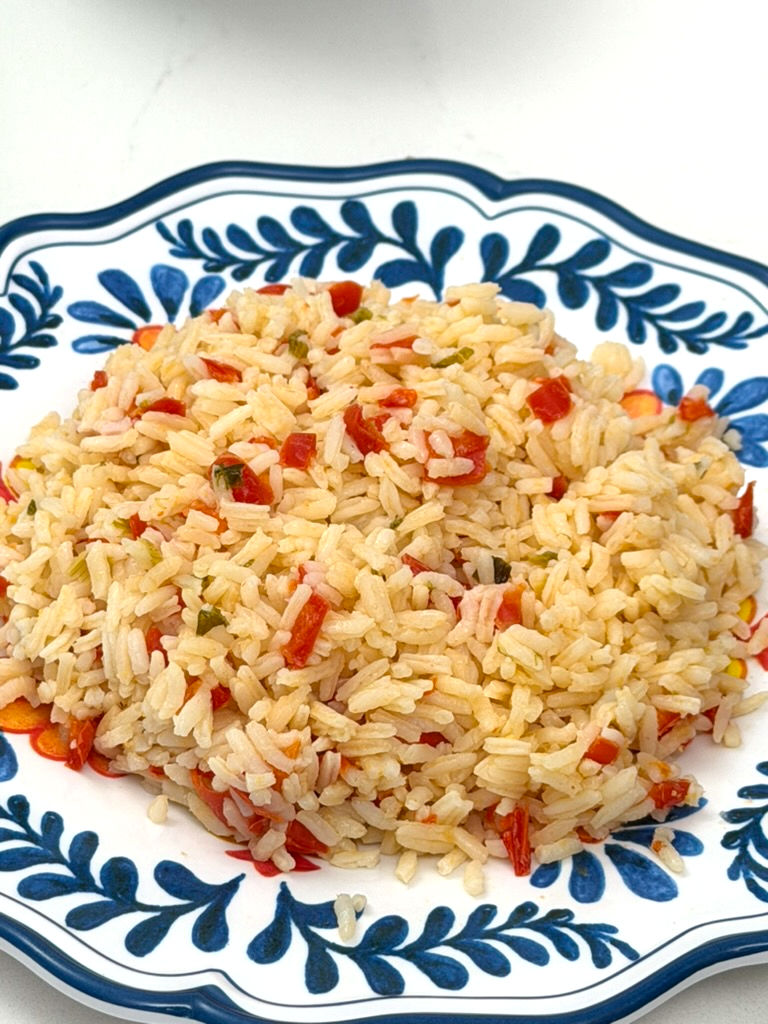
Spoon these beef tips alongside Mexican rice, eat them in tacos with a little avocado, or serve them with beans on the side. No matter how you serve them, don’t forget the corn tortillas—they’re part of the tradition and the flavor.

Frequently Asked Questions
Q: What cut of beef is best for puntas de filete?
A: Sirloin or sirloin tip works beautifully. The meat simmers in the salsa for about ten minutes, so lean, expensive cuts like tenderloin—which have very little fat—can dry out. A cut with a bit more fat tends to turn out better.
Q: Can I make Mexican beef tips ahead of time?
A: Yes, and that’s a great reason to cook them! Char the vegetables and blend them into a salsa. Refrigerate the vegetables and salsa separately. When you’re ready to serve, sear the meat, combine everything, and let it simmer for ten minutes.
Q: Are puntas de filete a la mexicana spicy?
A: They’re gently spicy, with one whole jalapeño adding a pleasant warmth to four servings without making the dish too hot. If you’d like a little more kick, add a second jalapeño or try a serrano, which is hotter. For a milder flavor, remove the jalapeño’s seeds before charring.
Q: My sauce came out too thin. How do I fix it?
A: Simmer uncovered for the last few minutes so the liquid reduces. A blended salsa carries more water than a chopped one, and a little extra time in the pan tightens it into a sauce that coats a spoon.
Q: How do I store and reheat leftovers?
A: They taste even better the next day! Just keep them covered in the refrigerator for up to 4 days. When you’re ready to enjoy them, reheat gently on the stove with a splash of broth.


Comments