


How to Make Gorditas and Sopes (Authentic Mexican Recipe with Step-by-Step Guide)– Tex-Mex at Home

By: Loida Tamayo — Founder of Tex-Mex at Home
Sharing the flavors of my Mexican family with people who have yet to experience nuestra comida y cultura.
How to Make Gorditas and Sopes
Gorditas and sopes are two of the most beloved dishes in Mexican home cooking. They both start with the same masa, but each one brings its own texture and flavor.
👉 You can watch the full video here
For me, the smell of masa cooking on the comal reminds me of my days in Mexico and of making memories with my tía standing next to me, teaching me how to pellizcar the edges of a sope just right. These are the flavors I grew up with, and the traditions I’m now sharing with you.
My goal is to make these dishes approachable for every home cook. Whether you’re brand-new to Mexican cooking or looking to reconnect with familiar flavors, this step-by-step guide will walk you through everything. And if you’re a visual learner, I also filmed a full YouTube tutorial so you can watch each step as it happens — from mixing the masa to shaping, cooking, and serving.
Why This Recipe Stands Out
· One masa, two dishes — save time without sacrificing flavor.
· Beginner-friendly with clear, simple steps.
· Authentic textures: soft, pillowy gorditas and crispy-edged sopes.
· Customizable with your favorite fillings and toppings.
· Budget-friendly and made with pantry staples.
· Perfect for meal prep — both freeze beautifully.
Serving Amounts
This recipe makes about 24 gorditas or 24 sopes, enough to feed around 8 people. You can easily cut the recipe in half for a smaller batch.

Ingredients
For the Masa
3 cups instant corn masa
½ teaspoon table salt
3 cups hot water (plus a little extra in case you need it)
Oil for frying sopes (amount depends on where you are frying your sopes)
Toppings and Fillings
Guiso (ground beef filling)
Queso fresco, crumbled
Shredded cabbage
Green salsa
Mexican Cream
Prep Notes
Hot water helps the masa hydrate faster and makes it softer to work with.
Add the first 2 cups of water gradually, then add the third cup slowly since you may not need it all.
Step-by-Step Instructions
Make the Masa
1. Combine the dry ingredients.
Add 3 cups of instant corn masa and ½ teaspoon of salt to a large mixing bowl, stirring to distribute the salt evenly.
2. Begin hydrating the masa.
Slowly pour in 2 cups of hot water, mixing with your hands until the dough begins to come together.
3. Adjust with additional water.
Add the remaining cup of water a little at a time. You may not need it all — or you may need a touch more. The goal is a well-hydrated dough that is not sticky.
4. Knead the dough until it becomes soft, smooth, and flexible.
It should not crack when shaped. If you see cracks or the dough feels a little dry, add one teaspoon of water at a time and knead until it softens. If you accidentally add too much water, sprinkle in a little dry masa and incorporate it until the dough returns to the right texture.

Shape the Gorditas and Sopes
1. Prepare the plastic.
Cut open a small food-storage bag by removing the zipper and slicing down the sides so it opens flat. This will keep the dough from sticking to the tortilla press or plate when shaping the masa.
2. Portion the dough.
Roll a small handful of masa into a smooth ball. If the surface cracks, knead a teaspoon of water into the entire dough (not just the handful) and work it until the texture becomes smooth and hydrated again.
3. Press the masa.
Place the dough ball between the two pieces of plastic and press using a tortilla press or the bottom of a flat plate until you get an even disc. Press to about 1/4 of an inch thick.
Don’t worry about perfection.
If the edges aren’t perfectly round, that’s okay. The rustic look is part of the charm. 😉🫣
Cook the Dough
1. Heat the comal.
Preheat a comal or skillet over medium heat until fully hot.
2. Cook the dough.
Place the pressed gordita on the hot comal. Lightly cook the first side — just until the side facing down begins to blister — then flip it.
Allow the second side to cook fully; you’ll see light brown spots forming on the dough. Once you see those spots, flip it one more time to finish cooking the first side.
This is when gorditas puff up — but don’t worry, not all of them do — and they taste the same.
3. Cool briefly, then create the pocket or shape the sope.
Remove the cooked masa from the comal and let it cool uncovered for 1–2 minutes. It should still feel warm and flexible—this makes it easier to shape without cracking or burning your fingers. And trust me—give them a minute to cool. I once shaped gorditas that were hotter than I realized and ended up with blisters. That’s when I learned I’m brave… just not heatproof.
For GORDITAS, create the pocket.
Use a small knife to slice one edge open.
Gently scrape out a small amount of masa from inside to make room for the filling.
Wipe your knife clean with a napkin or paper towel to remove any remaining masa, making it easier to continue slicing.

Creating a Pocket for the Gordita
For SOPES, form the rim and fry
Working quickly while the masa is still warm, pinch all around the edge to create the raised border. These little pinches are called pellizcadas, and they form the rim that holds the toppings.
Heat your oil to 325°F. Fry each sope for about 1 minute 45 seconds, or until golden and crisp around the edges.
Transfer the fried sopes to a paper towel–lined tray to drain any excess oil.

Frying to the Sopes
⭐ How to Fill Your Gorditas
Fill each pocket with guiso, queso fresco, salsa, and your favorite toppings.
Just remember: for gorditas, keep toppings less juicy, so they don’t get soggy.
(Fresh tomatoes work great on sopes, but not inside gorditas.)
Delicious Filling Ideas for Gorditas:
Ground Beef Guiso Gorditas
Fill with the guiso from our previous recipe, then top with queso fresco and salsa.
Bean & Bacon Gorditas
Fill with refried beans from our recipe here, crispy bacon, queso fresco, and salsa.
Delicious Filling Ideas for Sopes:
Ground Beef Guiso Sopes
Fill with the guiso from our previous recipe, then top with queso fresco and salsa.
Shredded Chicken Sopes
Fill with shredded chicken, queso fresco, and salsa.

How to Store This Recipe
Refrigerator
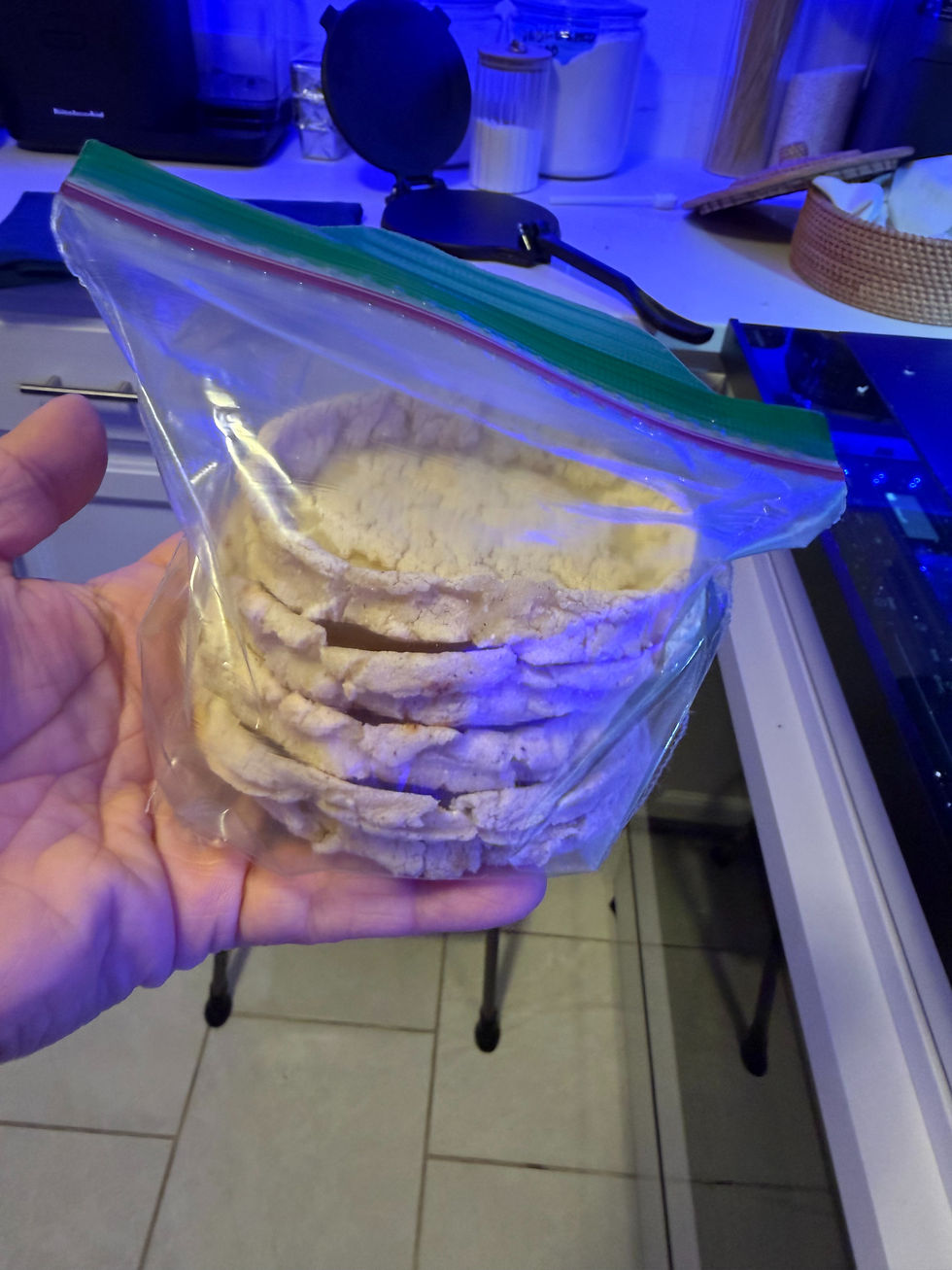
Allow the cooked gorditas and sopes to cool completely and uncovered.
Once fully cooled, place them in an airtight container and refrigerate for up to 3 days.
Freezer
For the best results, freeze them after cooking but before frying the sopes.
Here’s how to freeze them:
Arrange the cooked pieces in a single layer.
Place a sheet of parchment paper between each layer, then stack the next to prevent sticking.
Store in a freezer-safe bag or container.
They will keep well in the freezer for up to 2 months.
Reheating
To reheat, place the gorditas or sopes on a comal or skillet over medium heat until warmed through.
For extra crispiness on the sopes air fry at 350°F on the bake setting for about 2 minutes.
Important Notes
Do not cover freshly cooked gorditas or sopes while they are still hot; steam will make them soggy.
Always let them cool uncovered before storing.
Reheat gently to avoid drying them out

Frequently Asked Questions
Q: Why didn’t my gorditas puff?
A: This is very common and not a problem. As long as they are fully cooked, you can still slice them open and they will hold the filling.
Q: Can I make the masa ahead of time?
A: Yes — but with a small note. You can prepare the masa and keep it covered with a damp towel for up to 2–3 hours at room temperature before shaping.
However, I personally prefer making it fresh right before cooking, because the masa tends to dry out as it rests. If that happens, you’ll need to knead (amazar) it again with a little water to bring back the right texture.
Q: Can I air-fry the sopes?
A: Yes — you can! Air-fry the shaped sopes at about 375°F for a few minutes until the edges turn lightly crisp.
BUT I haven’t tested this method yet, so if you try it before I do, please tell me how it goes. The traditional fried sopes (the OGs!) are so delicious that I usually don’t mess with how to cook them.
Q: What if my masa keeps cracking when I shape it?
A: It likely needs more moisture. Add a small amount of hot water and knead again until smooth.
Q: Should I always use hot water for the masa?
A: Hot water helps hydrate the masa faster and makes it easier to knead, but room-temperature water can also be used if needed.


Comments